The Post Secondary Transition Conversation
We talk about the ins and outs (and everything in between) of the secondary transition process for families of students with disabilities! Hosts Meghan (Smallwood) and Patrick (Cadigan) serve as supportive guides, leading families step-by-step up each rung of the transition ladder.
Also check out our parent website: https://www.postsecondarytransition.com
The Post Secondary Transition Conversation
095. Keypoints About Guardianship Families Need to Consider
Use Left/Right to seek, Home/End to jump to start or end. Hold shift to jump forward or backward.
Hosts Meghan (Smallwood) and Patrick (Cadigan) discuss the complexities of guardianship; they highlight the importance of understanding legal capacity and exploring alternatives like supported decision-making. They note that voting rights exist under guardianship and also cover reasonable accommodations, such as having a support person in court, and the role of Medicaid-authorized representatives. Join the conversation!
Episode Keywords:
Guardianship, supported decision making, legal capacity, alternatives to guardianship, court appointed, young adult, decision making, voting rights, reasonable accommodations, Medicaid authorized representative, SSI, representative payee, non-verbal communication, advocacy, transition process
LInks:
Episode 23 - Guardianship (link)
Episode 52 - Audi Levering and Supported Decision Making Pt. 1 (link)
Episode 53 - Audi Levering and Supported Decision Making Pt. 2 (link)
Episode 54 - Audi Levering and Supported Decision Making_Full Discussion (link)
Guardianship (page)
Alternatives to Guardianship (page)
YouTube Playlist - Guardianship (link)
YouTube Playlist - Alternatives to Guardianship (link)
Maryland (specific) Links/Supports:
In the Matter of William Pughsley (document)
Parents Place of Maryland (site)
To download a copy of a transcript for this episode or any of our previous conversations, click here.
Also visit our Podcast webpage to find links to all of our other discussions; go to www.p2transition.com.
Additional information about post-secondary transition can be found at our website.
The Post-Secondary Transition Podcast Facebook page.
Visit our YouTube Channel to find additional video resources.
Intro/Outro music by AudioCoffee from Pixabay.
Transition music by Joseph McDade from Transistor.
Welcome. This is the Postsecondary Transition Conversation. We focus on the ins and outs and everything in between of the transition process for families of students with disabilities, I'm one of the hosts. My name is Meghan, and I am a public school transition coordinator.
Patrick Cadigan:And I'm the co-host. My name is Patrick Cadigan, and I am also a public school transition coordinator. So, hey there, welcome back! Before we begin today's conversation, Meghan and I were thinking that it could be a good idea surf to our podcast site, www.P2Transition.com, and listen to conversation 23 which is about guardianship. And then either conversations 52 and 53 which is parts one and two of the same discussion, or you can go to conversation 54 which is the full discussion, and that is going to cover supported decision making. Now obviously you don't have to, but it will offer some context into today's discussion. Meghan had an opportunity to MCee a discussion about guardianship and alternatives to guardianship, and has some new information, so we thought that we would share out some of those key takeaways from that info session. So Meghan, before we start, why don't we give a textbook definition of guardianship. What is it?
Meghan Smallwood:I feel like Google, well, Patrick, guardianship refers to the formal legal process before the court in which someone is granted the legal authority and responsibility to make decisions and act on behalf of another person. I think a lot of families, as we've talked about before, hear guardianship, and they're like, I need it, and they're told by everybody that they know that you need it. At 18, however, need to keep in mind that adult guardianship is not the same as guardianship of a child, and we recognize that that is unfair, since you are still technically mom and dad. But at 18, you know, everyone recognizes the the young adult now as an adult. So under guardianship, if you were to go that route, that young adult loses some of the legal right to make certain decisions for themselves. So the Guardian, and I think many families aren't aware of this, is technically appointed by the court, and obviously they're going to want you to be the young adult, to be with mom and dad, but it is court appointed and entrusted with the duty to protect and care for the well being and interests of that person. So the court is the ultimate Guardian, and it is hard to change or end guardianship once you go through that process. So families that may go through it right away and then decide later on, well, we could have done something a little less restrictive. The court is going to have a hard time recognizing why that young adult does not need guardianship anymore. We know guardianship may be necessary in some circumstances, and I think that was something that was important during our workshop that went very well, but we recognize and we're not telling people not to consider guardianship, but really it should be a last resort, and you should know of the options that are out there. You know, alongside of guardianship.
Patrick Cadigan:This came up recently because I had one of the co-workers at my school come to me and ask me, she was working with a family; she has a private practice outside agency, and the family is considering guardianship, so she was asking me about it, and kind of just very like briefly, kind of talked about what you had just said that it's one of those things that just ultimately, it's a family decision, and there's lots that goes into it, but one of the things that I did throw out there is like, yeah, once it's done, you effectively, you can't undo it.
Meghan Smallwood:Yep, once it's done, it's done, and it's true. Like, I think it's a scary thing to think about your young adult with a disability being considered an adult and having to make these decisions. And I think that's why you hear the word guardianship and you're like, that's what I need. But then there's other little things about it that are kind of overlooked. So that's why we want to make sure everyone is fully informed before a decision is made for your family.
Patrick Cadigan:As I understand it, guardianship and its alternatives, they are dependent on a legal capacity, correct?
Meghan Smallwood:Yes. So legal capacity really means that principle that determines what decisions a person can make under a law, like, can they provide consent for something? Can they sign a contract? Do they know what they are getting into. And every adult is presumed to have legal capacity. So if a person has legal capacity, their decisions are legally recognized. So there's kind of that determination of what is the amount of legal capacity the individual has in order to make these choices, or do they need? More of a restrictive amount of help from somebody. So I think that is something, if families always ask, can what can I do? I need to have guardianship or something in place when they turn 18, but you can't do anything until after they're 18. What can I do? I think going through that process of looking at your child and kind of figuring out like, what, what are they able to do? Can they make choices? Can they make choices with supports? How much support do they need? Can they tell you that they want something and know what it means? Can they ask for additional help? Can they recognize mom is the one that they want to help? So those are all kinds of things that play into determining your decision of guardianship or alternatives to guardianship, and how much capacity your individual holds in order to do that, there are many alternatives to guardianship to support that person with a disability without actually needing legal guardianship. And I know we've talked about this in the episodes that Patrick mentioned, but we wanted to highlight some of those key takeaways that I know stuck in my head after going through that presentation, and that's why I love that we do them, you know, every year because, yeah, maybe it's the same information that I heard the year before, but there's always something new that jumps out at me, or there's always some kind of example or way that it's phrased that really sticks with me and makes it makes me understand and that really helps parents when there's so many information about so many different topics out there that you tackle it piece by piece. Yeah, context is key. So one thing I we talked a lot about was supported decision making, which I know we had Audrey on the show, and Audrey actually was part of this presentation too, which was wonderful that she could share her experience with families as she went through this process with her daughter. But it is legally recognized in Maryland. And one thing that they did point out is even if you do end up getting legal guardianship supported, decision making can be used alongside the guardianship. So you may have guardianship of your young adult. However, you can have a document in place that kind of outlines how you're going to support them, you know, in their decision making. So what are they going to need when they go to a doctor's appointment? What are they going to need if they go to the bank? So it's kind of and I think the court actually does prefer that, because they see that there's still some capacity to the young adult, and they still do have some choice making in it. So it's possible, and that's something that you really should consider bringing up to an attorney if you are going through the guardianship process of how that can be implemented alongside it.
Patrick Cadigan:If I remember correctly, I could swear that when we were talking with Audri, she talked quite a bit about the fact that supported decision making was now recognized in Maryland. And if I remember, she shared a resource that highlighted all the different places that recognize supported decision making. If I find that resource, check it out in the show notes.
Meghan Smallwood:Parent's place of Maryland is a great resource for that. They have so many resources in regards to supportive decision making, so you might be able to find it there as well.
Patrick Cadigan:In this discussion, did they mention anything about voting? Because I know that's come up before.
Meghan Smallwood:Yeah, actually, one of the attorneys that shared with us information about guardianship, mentioned this court case that really shaped how voting is under guardianship, because that's something that I've always heard parents say, Oh, well, they don't have any rights. They can't vote. And there was a court case, and I can't remember the name, it's escaping me now, but it was in regards to an individual who had a parent had guardianship, and they wanted to vote, and they were told no, but it actually went all the ways up to the higher courts, and it was determined Yes, he can make his own choice. And it may not be a choice that you know, the parent or Whoever agrees with, and it may not have the background of, you know, the political stances of everybody, but he's making a choice. And I think about that with our typical Americans. I mean, some people go in there and they're like, huh, she looks nice. She's got a pretty smile. I'm gonna vote for her. You know, it's no different with them. They can make a choice. They can pick who they want. So voting is something that is possible under guardianship.
Patrick Cadigan:We hope that you find value in our conversations, and we'd love your support. You can visit our "Buy Me A Coffee" page to help support the show. A link is in the show notes. Contributions help offset the real costs of producing our discussions, things like online hosting, equipment and ongoing content development, so we can keep bringing you helpful, accessible, transition information now, no pressure at all, but if you're able, every bit truly helps, thanks for listening and giving our community a voice.
Meghan Smallwood:I think one thing that really can. Out of covid was about reasonable accommodations, because when we were going through midst of it, you weren't allowed to go in with anybody to a hospital for fear of contamination, and that was scary for families who had a young adult with disability who needed them there. But a reasonable accommodation is having a support person if you have a disability. I mean, that is something the American Disabilities Act that you can you can have anywhere. So I think Little things like that need to be reminded and implemented so that we realize that it exists without just having guardianship. I mean, hearing that, I'm just like, wow,
Patrick Cadigan:it makes, it sounds reasonable. It makes sense. But you know things, are so crazy.
Meghan Smallwood:But I think it's the public eye...
Patrick Cadigan:Yeah.
Meghan Smallwood:...like in our world of disabilities, it makes perfect sense. But then you leave our bubble, and you go into the real world, and you have these authoritative people telling you, no, you can't. And I think parents are like, Oh, I can't, you know, and so I think that is that big advocacy piece. Um, when I've had conversations with parents about guardianship versus alternatives to guardianship, you know, I always say I really feel like it depends on your confidence level and your ability to advocate, because they don't know anything except those keywords of guardianship album in the real world. So, you know, that's what they think. They stick to, and they go to when they ask, Well, do you have guardianship? Something as simple as saying, Yes, I am my child's representative, or I am my child's advocate. Because you have an alternative in place, really can do the trick.
Patrick Cadigan:So it's funny that you should say that, though, because I have to say, I remember you and I offline, had that conversation where recently, there was a business that supports some of the students that we work with, and they had asked for training about autism. Of course, that is my background. I have master's degree in special education with a focus on autism studies. So I very quickly threw together a PowerPoint. I sent it to Meghan. I said, Hey, can you look at this? And she was like, yeah, it's great. And I was like, Yeah, but it's just there's not like for me. I was like, there's not much there. It doesn't say anything. And she brought up the point. She was like, No, you have to remember, this is our world, for us, this isn't much, however, outside of our bubble, this is really good information for people to have. And I was like, okay, so yeah, makes a lot of sense. Yep, changing lanes back to the original discussion. What if a child, young adult, what if they cannot give consent? Does that? Did they address that piece?
Meghan Smallwood:Yeah, that was brought up by some families, because I think when families hear this conversation, they're like, well, that I don't think my child can do that, like, I don't think they're able to. And I think there's pressure in a lot of cases, because they're hearing from the medical side when they go to the doctor's appointments or if they're going to have a consult with an attorney, that makes them think, no, they can't. But the advice that was given to the families was to start with the people who know them best. How does that person communicate their likes or dislikes? Is there a way to get them there? You know, it's recognized that you don't need to have guardianship just because you're non verbal. Similarly, just because you're non verbal doesn't mean you can't have supported decision making. There just needs to be a way to document how they give consent, and how can they show it. If they do it voluntarily, they need to be able to show some level of understanding of what the agreement is that is taking place so that it's understood by somebody else, so that documentation, documentation piece is so imperative, and I leaning on those people who work with them on a daily basis or know them well that can explain, yeah, they can do that, but this is how it has to happen. Can really help shine some light on whether they have the capacity and could do this.
Patrick Cadigan:As I'm hearing you talk about that, the first thing that I'm thinking about is patience. Again, I kind of go back to that discussion that we had with Meredith a while ago in that out of the box thinking, how can we get them there.
Meghan Smallwood:Right. And, yeah, maybe they do need help, but maybe they just need someone there to help make sense of it all. You know, it's not they need someone there to determine the answer for them. They just might need someone there to say, Hey, would it help for the doctor to explain it a different way? Or meeting with an attorney, you know, letting the attorney know, hey, you might need to change your tone, or just how you're moving or approaching. We know our friends with autism can be sensitive about the way things are in a room or environment. Just someone there to provide those supports so that whoever they are encountering out in the world outside of disabilities understands they are. Capable and can make their own decisions.
Patrick Cadigan:Hearing you say all of that, my mind then goes to, okay for someone who is under DD supports (where we are DDA), but under DDA supports, is guardianship good for that, better for that? Does it matter?
Meghan Smallwood:It really does not matter. I mean, honestly, there it's all about the individual. The individual is the Center for that person. Center plan and everything is in the best interest of them, and we are listening to what they want. So no, it's not better. We just need to continue to support them and their decision. I've had families too that ask about like, what about the medical piece? Because I think that is a real big one at 18, especially a lot of institutes that we have in our area, they are well aware of how the system works, and bring it up to families. You know, a Medicaid authorized representative can designate a person to be the authorized representative, to represent them for anything, you know. So guardianship is not necessarily required, and they're not more likely to get services in any aspect with guardianship. I think something else that comes up too is when you're talking about SSI. You know, families are like, Well, how do I know that I can be involved with SSI? How are they covered with SSI? I mean, so SSI is not going to need a financial power of attorney or medical advance directive. It does not apply to that because they're receiving SSI and they've been eligible and approved for it, it shows they are not able to do things on their own, basically as Social Security has made that determination on their own, so that's why they ask after they've been found eligible if they need a representative payee to assist with them, and that covers the SSI portion of things, going back to the reasonable accommodations, though, I just also wanted to mention because this came up recently with a Family I've worked with. She mentioned that her daughter, who is driving, received a speeding ticket, fun stuff with a teenager, and had to go to court. And she was asking about, like, you know, I just want to be able to be there in case she needs support, even though it's her ticket and she's going through the process, you know, if she needed explanation of what the judge is saying that is a reasonable, reasonable accommodation. If someone goes to court and needs a support person there, that is a reasonable accommodation that you can bring up to them, so...
Patrick Cadigan:Huh, it's so interesting that it's so outside of my world that, I mean, again, I'm learning something new every day as I go along.
Meghan Smallwood:Well, and I think it's something that I don't know if it's overlooked, but it's not brought up as a norm, honestly. You know, I think again, outside of the world that we live in, of disabilities, think the public eye kind of forgets that we have individuals who are able to make their choices, and may just need a little support, but it's their choice ultimately. So we really need to get better as a society of recognizing that.
Patrick Cadigan:I was really sad that I missed this information session. That's one of the things I was talking to another coworker recently, just balancing the family/job, like, you know, just everything. And I know that where we are, we have so many of these information sessions that are coming up. And I had said something to my wife, they're like, "Yeah, I really need to, I really need to, kind of jump in on these." I would have loved to have heard the family's perspectives, or the family's questions, because, again, that's, you know that that's what they're living at that moment, or, yeah, what they're going through.
Meghan Smallwood:And that's why I always think it's so important to keep them informal and welcoming. You know, ask your questions throughout. You know, have that Q A at the end, so that they feel like they're not just being talked at. They're actually getting information for their own specific situation, and then, yeah, it was a really good turnout, and it was a really great session. Parents had some great questions, and our presenters, as always, were fabulous, so...
Patrick Cadigan:Well, speaking of fabulous, although this will be the end of the conversation, we still have more fabulous things to come, so you need to tune back in as we continue with our upcoming conversations. I thought that was a fantastic segue.
Meghan Smallwood:That was a great transition. I love it
Patrick Cadigan:All right. Well, thank you guys so much for your time, and we will talk with you soon.
Meghan Smallwood:Thanks everyone. Our discussions are everywhere. Apple, Spotify, YouTube, music and others. So hit the Follow button and you won't miss out. Please help us spread the word about our discussions by leaving us a review. Links to the information from our conversations are always in our show notes. Surf to our. Sister website, www.postsecondarytransition.com, full of information and links to more resources. Our YouTube channel contains curated videos that revolve around transition, including playlists for guardianship, alternatives to guardianship ABLE accounts and more to come. Thanks so much for your time spent with us, and we look forward to talking again soon. You.


Podcasts we love
Check out these other fine podcasts recommended by us, not an algorithm.
T21Mom-A Down Syndrome Podcast
T21Mom.com
The Collaborative IEP
Ashley Barlow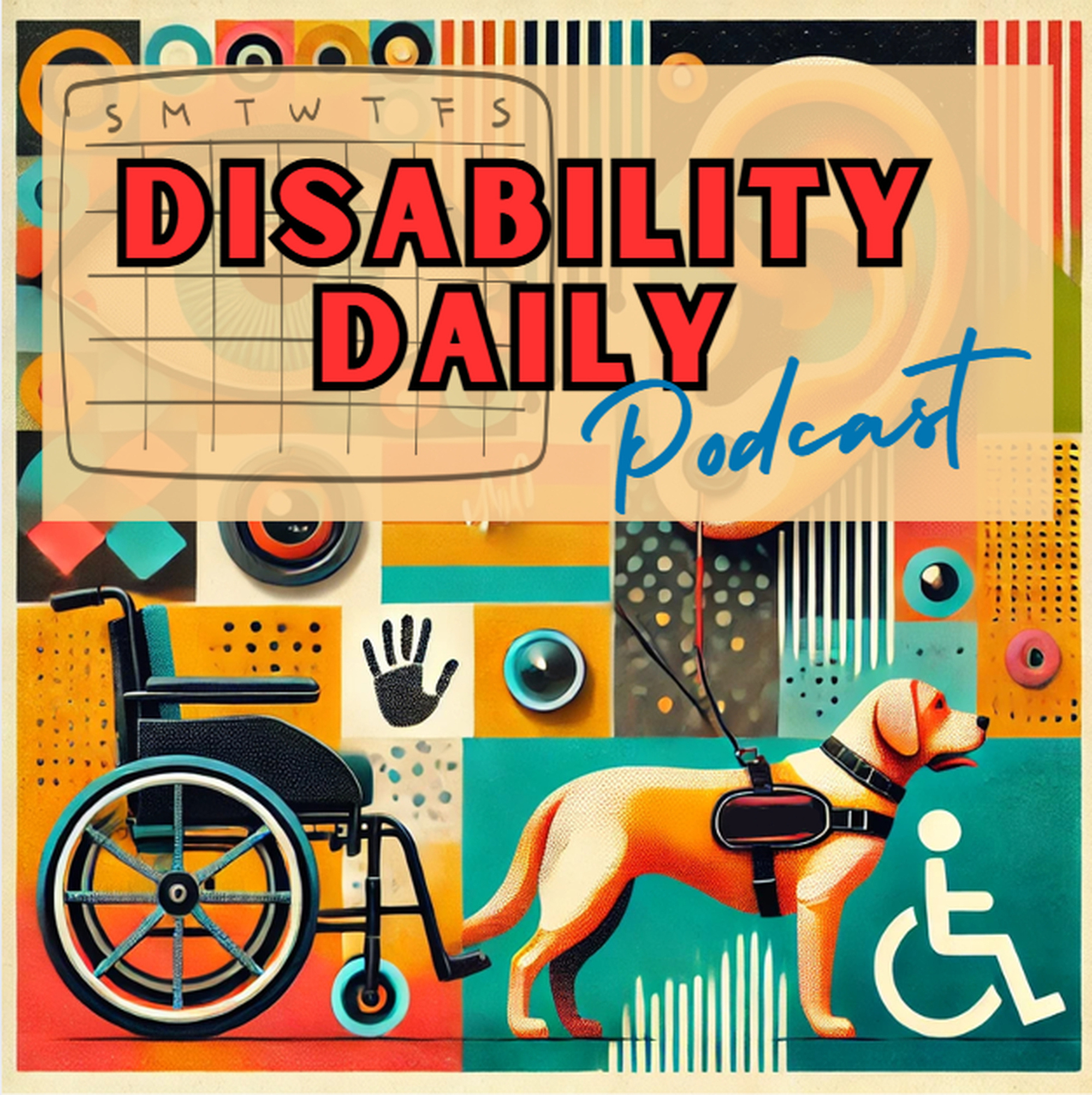
Disability Daily Podcast
Katie Healey, PhD, CPACC
The Infinite Abilities Podcast
Nick Yerhart
All Autism Talk
All Autism Talk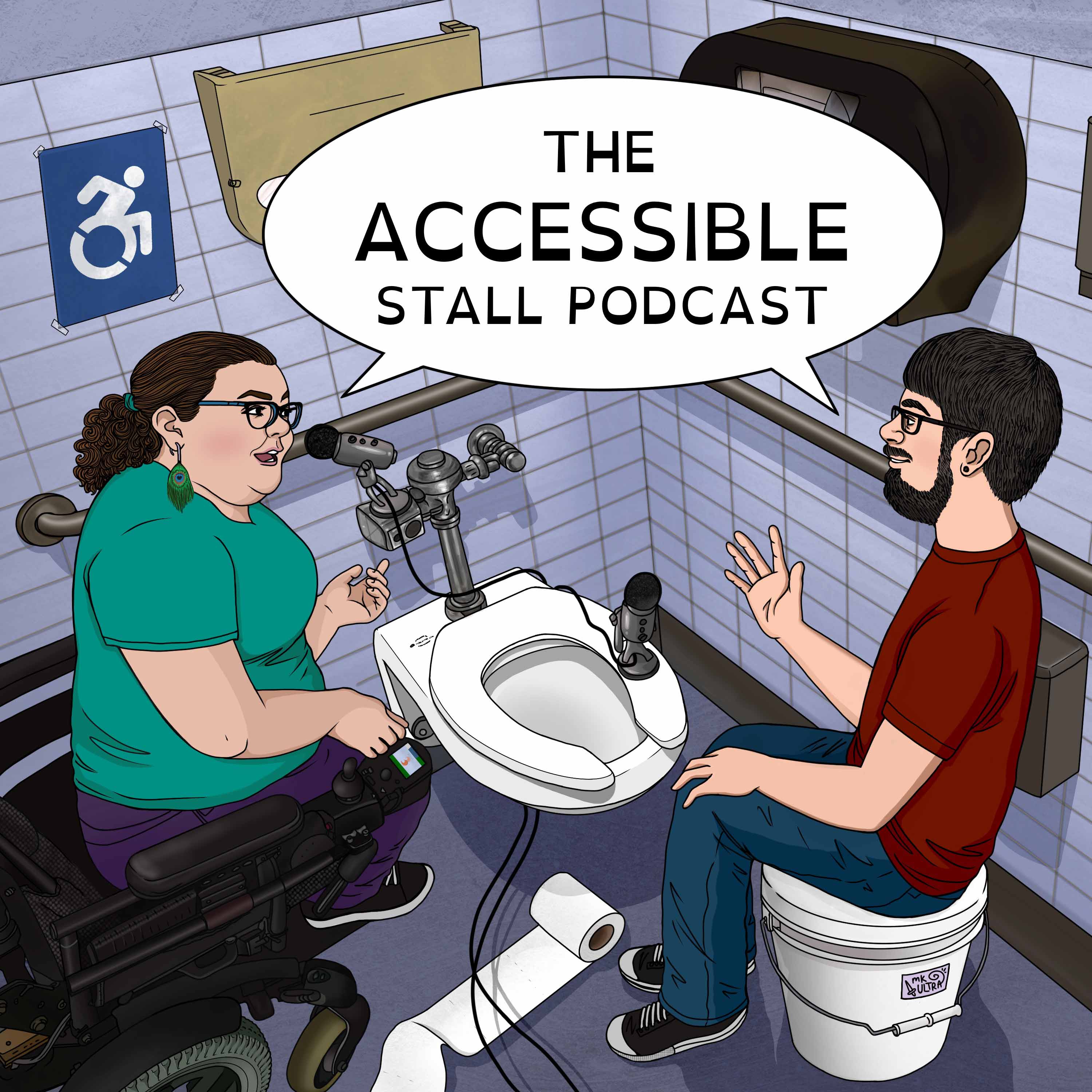
The Accessible Stall
Kyle Khachadurian and Emily Ladau
Disability Deep Dive
Disability Rights Florida
STAY Tuned: Supporting Transition-Age Youth with mental health conditions
STAY Tuned at Transitions to Adulthood Center for Research
Moms Talk Autism Podcast
Shannon Korza, Brittney Crabtree, Tash Dillmon, and Jean Mayer
Your Child's Brain
WYPR Baltimore

ADHD reWired
Eric Tivers, LCSW, ADHD-CCSP